It's Enough! 15 Things About Shipping Containers We're Tired Of Hearin…
페이지 정보

본문
The Versatile World of Shipping Containers: A Comprehensive Guide
Shipping containers have become a common component of global trade and logistics, playing an important role in the transport of items across oceans and continents. Originally designed for shipping cargo, these robust steel structures have evolved into multifunctional systems, finding uses in different sectors, consisting of construction, housing, and even art. This blog site post checks out the diverse nature of shipping containers and looks into their history, types, advantages, and innovative applications. Additionally, it deals with frequently asked concerns and consists of helpful tables for quick reference.
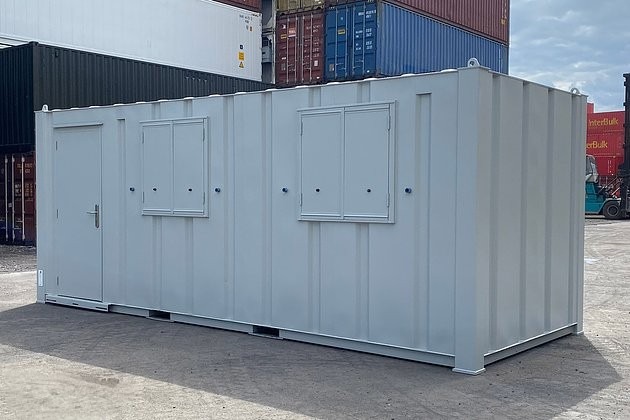
A Brief History of Shipping Containers
The concept of shipping containers dates back to the early 20th century. Nevertheless, the concept took off in the 1950s with the introduction of standardized container sizes. This standardization transformed shipping logistics, resulting in increased performance and lowered expenses. The intro of container ships even more facilitated this modification, permitting the transport of countless containers concurrently.
Table 1: Key Milestones in Shipping Container History
| Year | Turning point |
|---|---|
| 1956 | First container ship, the "Ideal X," sets sail |
| 1966 | International Standards Organization (ISO) establishes container standard sizes |
| 1970s | Growth of intermodal transport using containers |
| 1980s | International trade rises due to containerization |
| 2000s | Rise of giant container ships (post-Panamax vessels) |
Types of Shipping Containers
Shipping Container Housing Freight Containers come in different shapes and sizes, each designed to deal with specific cargo requirements. Below are some common kinds of containers used in shipping.
Table 2: Common Types of Shipping Containers
| Container Type | Description | Typical Use Cases |
|---|---|---|
| Requirement Dry Container | A lot of extensively used container; offered in 20ft and 40ft sizes | Transferring general cargo items |
| Refrigerated Container (Reefer) | Temperature-controlled containers for perishable products | Shipping Container Depot food, pharmaceuticals, and flowers |
| Open Top Container | Container without any roofing, enabling loading from above | Heavy machinery and bulk cargo |
| Flat Rack Container | Open frame container without any sides or top | Shipping Container Conversion - Voss-Patrick.Mdwrite.Net - large or large items |
| Tank Container | Cylindrical containers for liquids | Carrying chemicals, oils, and liquefied gases |
Benefits of Using Shipping Containers
The use of shipping containers uses various benefits, making them a favored option for different industries. Here are some of the crucial advantages:
1. Sturdiness
Built from high-grade steel, shipping containers are created to endure harsh maritime conditions, making them incredibly long lasting and capable of securing their contents.
2. Cost-efficient
The standardization of shipping containers lowers loading and discharging times, which equates to cost savings in transportation. Furthermore, the capacity for double stacking containers makes the most of shipping area.
3. Adaptability
Shipping containers can be repurposed for a myriad of applications, from modular housing and pop-up shops to storage units and even leisure areas.
4. Eco-Friendly
Repurposing shipping containers decreases waste and promotes recycling, making them an environmentally friendly option for construction and other uses.
5. Security
Shipping containers are inherently safe, geared up with robust locks and built from strong materials, protecting their contents from theft and weather damage.
Ingenious Uses of Shipping Containers
As their adaptability has become more evident, shipping containers have actually been artistically employed in numerous fields. Here are some innovative uses:
1. Housing and Shelter
Lots of have turned to shipping containers as budget friendly housing solutions. They can be changed into modern-day homes, tiny houses, or even multi-family units.
2. Retail Spaces
Pop-up shops made from shipping containers have actually ended up being trendy in urban settings, permitting services to produce unique retail experiences.
3. Workplaces
Container workplaces are an emerging trend, providing mobile and versatile office solutions for organizations, especially in construction and remote areas.
4. Dining establishments and Cafes
Shipping container conversions into food facilities allow for distinct dining experiences, frequently with a very little environmental footprint.
5. Art Installations
Artists have actually started utilizing shipping containers as mediums for art or as part of interactive setups, developing public art that engages communities.

Regularly Asked Questions (FAQ)
Q1: How much does a shipping container cost?
The cost of a shipping container differs extensively based upon its type, condition, and location. A standard used 20ft container might range from ₤ 1,500 to ₤ 5,000, while New Shipping Containers containers can cost in between ₤ 3,000 and ₤ 6,000.
Q2: Can I live in a shipping container?
Yes, lots of people have actually successfully turned shipping containers into habitable homes. They can be equipped with plumbing, electricity, and insulation, making them appropriate for long-term living.
Q3: How long do shipping containers last?
With proper care and upkeep, a shipping container can last numerous decades. Factors like rust, deterioration, and environmental conditions can affect its life-span, however numerous containers stay functional for 25 years or longer.
Q4: Are shipping containers safe for food storage?
Refrigerated containers, or reefers, are safe for food transport as they keep temperature controls. However, non-refrigerated containers need to not be used for food storage due to possible contamination dangers.
Q5: Can I customize a shipping container?
Yes, Shipping Container Sizes containers can be tailored and modified to satisfy particular needs. This may include cutting windows, adding doors, insulation, and electrical work. It's vital to talk to professionals for safety and structural stability.
Shipping containers are not simply vessels for transporting items; they are signs of innovation and sustainability. Their diverse applications vary from housing and storage solutions to special artistic expressions, showing their adaptability beyond standard logistics. As industries continue to welcome the advantages of shipping containers, their capacity appears unlimited. Comprehending their history, types, and numerous applications can empower individuals and organizations to make educated decisions about utilizing these sturdy, eco-friendly systems.
- 이전글An Easy-To-Follow Guide To Choosing The Right Window Hinge Problems 26.04.05
- 다음글비아그라 약상태 바오메이드래곤후기 26.04.05
댓글목록
등록된 댓글이 없습니다.