This Week's Top Stories Concerning Chestnut Fronted Macaw
페이지 정보

본문
Chestnut Fronted Macaw
The Chestnut Fronted Macaw, also known as Ara severa, is a frequent sight at Rainforest Expeditions. These intelligent parrots require a lot of attention.
They are diurnal birds, and are active in the morning exploring and socializing. These vibrant parrots are identified by the chestnut-colored patch on their foreheads and lores, as well as white facial skin that is lined with lines of fine black feathers.
Size
The chestnut-fronted macaw or Ara severus is a vibrant and vibrant bird that can live for up to 40 years if cared for. This medium-sized bird is native to South America. It lives in agricultural fields and forests. It is a nonmigratory species that is found in small groups or in pairs. It is a highly intelligent hyacinth bird price that requires a lot of interaction.
The feathers that are green on this bird are stunning. It also has a chestnut patch on the front and an eye patch of white around its eyes. The tail is long and tapered, and the wings have a vivid blue color. The bird also has a large beak that can crack open nuts and seeds. Males and females are similar in appearance, however it is difficult to determine which is the sex of a catalina macaw price through just looking at it.
They are omnivores and their natural diet includes fruits seeds, green leaves, and flowers. The birds are also known to frequent licks of clay, where can i buy a macaw they eat soil that is rich in minerals which aids in digesting their food and neutralize the toxins.
Pet owners can feed their ferocious macaws a variety of foods, including fresh, cooked, and frozen foods. Pet owners should also provide their pets with different toys to help them exercise their wings and beaks. To keep your pet healthy and active you should allow them to play outside of their cage for between two and four hours each day.
Although macaws that are severe are intelligent and enjoyable to interact with however, they can be a challenge to manage because they are more likely to bite if scared or threatened. The best way to tame them is to spend plenty of time with them, showing them that you love and appreciate them. This will make them feel more confident in you and feel secure around you.
Pet macaws should have access to a large outside space where they can fly. They can learn to fly with harnesses attached to their cages. They will also enjoy being outdoors in the backyard or garden. They can spread their wings and use their beaks which may become irritated if they aren't utilized correctly. This time outside can also aid in calming them down, which can lessen the chance of them accidentally biting.
Habitat
The most common spix macaw characteristics in the rainforest in the vicinity of Tambopata is the chestnut-fronted macaw. They are one of the most frequent sightings that our Rainforest Expedition guests make while on their Amazon adventure! They are very abundant in areas of second growth forests and riverine habitats. This is probably due to the fact that they are attracted to these types of habitat. Their presence in these forests is a sign that the ecosystem is healthy and balanced. They also function as vital seed dispersers, which aid in the health and regeneration of these tropical forests.
Chestnut-fronted Macaws are a beautiful species of bird with the body of a sparkling green, and distinctive chestnut patches on their foreheads and the lores. Their wings and tail are a beautiful blue, and the area around their eyes is unadorned white which accentuates their expressive eyes.
The screeches and squawks they make are just some of their vocalizations. These calls are used to communicate within the flock and also for territorial defense and bonding between companions. It is also known that they go to clay licks to extract minerals from the soil.
Macaws are nocturnal and spend most of the day exploring, socializing and engaging in playful behaviors. They are fliers with a lot of power, and are able to travel for long distances in search of food or new habitats.
If you're looking for a pet the chestnut-fronted macaw is a good choice. Its intelligent nature and capacity to learn tricks and commands in human language make it a fascinating companion bird. However, it is crucial to provide proper care and care to this bird in order to avoid behavioral issues.
As with all birds the chestnut-fronted macaw requires a varied diet that includes high-quality pellets and seeds and daily fresh fruits and vegetables. This will ensure that they are receiving the proper nutrition they need to thrive.
The International Union for Conservation of Nature has this bird listed as "Least Concern", indicating that it is stable in the wild and is facing very few threats. Despite this, the habitat of this bird is endangered by deforestation and the exploitation of captive birds for the pet industry. To safeguard these majestic animals, we must keep up conservation actions, including preservation of habitat and regulate trade in wild animals.
Feeding
Chestnut fronted macaws are gregarious birds that enjoy interacting with humans. In the wild, they develop strong bonds with their family members and huddle together in their natural habitats. They are also extremely vocal and can mimic human speech to a certain degree. You may hear them squawking however they make their calls to communicate with their group or to defend their territory.
The chestnut-fronted macaw is medium-sized size and a long, tapered tassel. The chestnut patch on the crown and forehead highlights its bright green feathers. This unique coloration makes it different from other macaws. They are not migratory in the wild, and they live in tropical forests and woodlands.
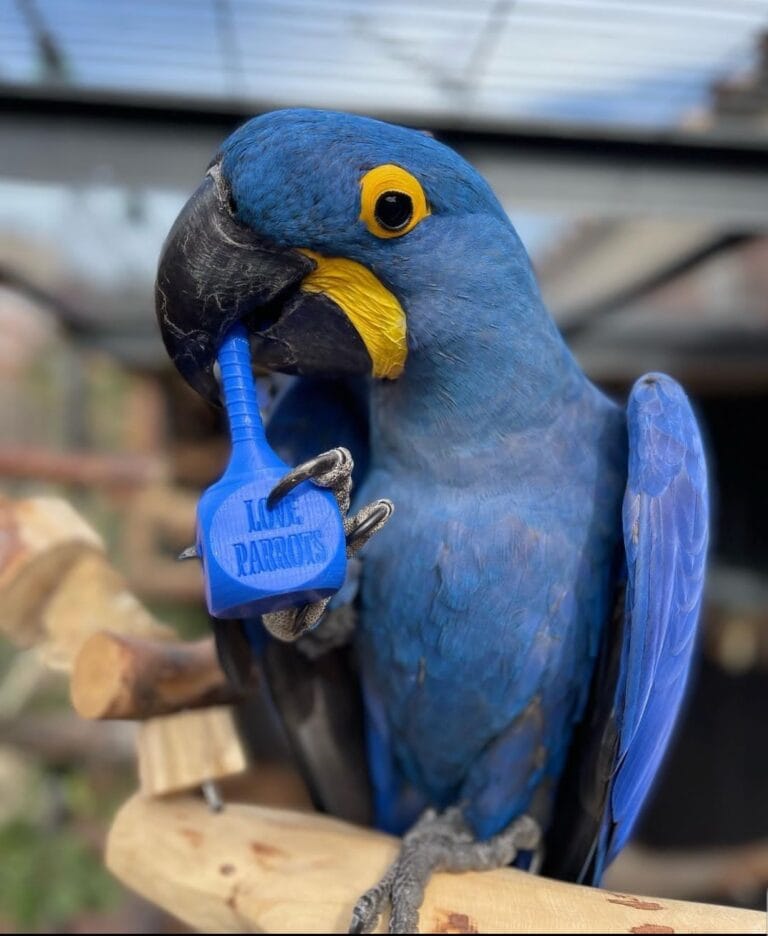 Their long beaks are designed to break up seeds and nuts which constitute the majority of their diet. It is interesting to note that macaws go to clay licks to absorb mineral nutrients from the earth.
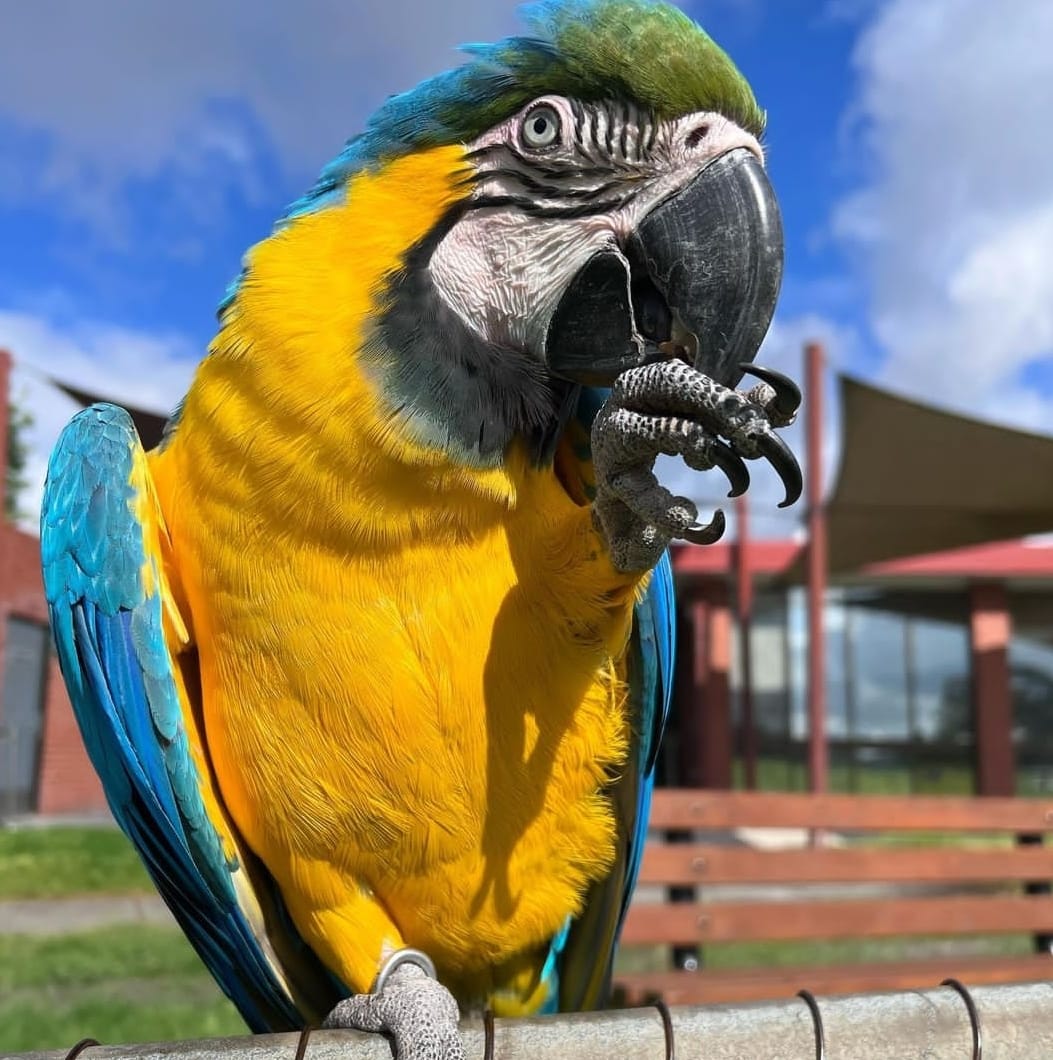 They are also renowned for their prankster inclinations as they transform almost anything into a play toy. They are extremely playful birds and need lots of attention and love, as they can become destructive when they are not given enough stimulation. Check with local animal shelters and adoption centers if you are interested in a severe macaw. They sometimes have these beautiful birds available for adoption and you can save a life by bringing home a pet from a rescue.
The severe macaw, as with other macaws, is an extremely vocal and expressive bird. It is also a great option for families since it can be taught to speak, and it can even repeat words back to you. It is essential to feed these birds an appropriate diet. This includes high-quality pellets, as well as fresh fruits and veggies. It is a good idea to add more protein to the diet of your severe macaw keycaps, as this will aid in its growth and stay healthy.
Severe Macaws also tend to nest in trees. It is crucial to keep these birds safe when they rest. They sleep lightly and are prone to waking up when they hear something strange. They will also not sleep on their perches if they feel the vibrations from another bird breathing nearby.
Breeding
Typically, they are found in Brazil the vibrant parrot has a broad range that spans across the southern parts of Central America and northern South America. Chestnut-fronted macaws or Ara severus, as they are sometimes called, display amazing breeding behaviors in the wild.
These gorgeous birds are renowned for their colorful plumage. They display a stunning wing and tail display with vibrant green feathers. This creates a stunning silhouette while flying. The chestnut color on their foreheads adds a touch elegance to the bird's appearance. In the wild the birds are known to form lasting, lifelong monogamous relationships with their partners. Their affectionate behavior often includes preening each other, nibbling on feathers on each other's faces, and grabbing their partner's beaks. They also display a variety courtship displays, which are accompanied by loud vocalizations.
When two birds of exotic species, a male and a female, bonds together, they begin to build a nest. Macaws are cavity nesters, and they typically build their nests in tree hollows or in abandoned woodpecker holes. Females are the most important part of the building of nests. She employs her beak to dig the inside of the hole to create a safe place for her young. The pair of them make the nest by filling it with soft material, twigs and other materials for the chicks.
After hatching they will remain close to their parents for a couple of months until they're fully fledged and ready to explore the world around them. During this period the chicks learn from their parents about important aspects of their environment, such as shelter and food, as well as water. In the wild, these birds usually live in tropical and subtropical forests, however they also be found in grasslands and savannahs.
The chestnut-fronted macaw is an excellent pet bird, however, it requires plenty of attention and care. Do your research before choosing to adopt or purchasing one of these exotic pets. You will want to ensure that the animal is a good fit to your lifestyle and comes from an established breeder or adoption agency. These beautiful birds also require regular exercise and proper nutrition to thrive.
The Chestnut Fronted Macaw, also known as Ara severa, is a frequent sight at Rainforest Expeditions. These intelligent parrots require a lot of attention.
They are diurnal birds, and are active in the morning exploring and socializing. These vibrant parrots are identified by the chestnut-colored patch on their foreheads and lores, as well as white facial skin that is lined with lines of fine black feathers.
Size
The chestnut-fronted macaw or Ara severus is a vibrant and vibrant bird that can live for up to 40 years if cared for. This medium-sized bird is native to South America. It lives in agricultural fields and forests. It is a nonmigratory species that is found in small groups or in pairs. It is a highly intelligent hyacinth bird price that requires a lot of interaction.
The feathers that are green on this bird are stunning. It also has a chestnut patch on the front and an eye patch of white around its eyes. The tail is long and tapered, and the wings have a vivid blue color. The bird also has a large beak that can crack open nuts and seeds. Males and females are similar in appearance, however it is difficult to determine which is the sex of a catalina macaw price through just looking at it.
They are omnivores and their natural diet includes fruits seeds, green leaves, and flowers. The birds are also known to frequent licks of clay, where can i buy a macaw they eat soil that is rich in minerals which aids in digesting their food and neutralize the toxins.
Pet owners can feed their ferocious macaws a variety of foods, including fresh, cooked, and frozen foods. Pet owners should also provide their pets with different toys to help them exercise their wings and beaks. To keep your pet healthy and active you should allow them to play outside of their cage for between two and four hours each day.
Although macaws that are severe are intelligent and enjoyable to interact with however, they can be a challenge to manage because they are more likely to bite if scared or threatened. The best way to tame them is to spend plenty of time with them, showing them that you love and appreciate them. This will make them feel more confident in you and feel secure around you.
Pet macaws should have access to a large outside space where they can fly. They can learn to fly with harnesses attached to their cages. They will also enjoy being outdoors in the backyard or garden. They can spread their wings and use their beaks which may become irritated if they aren't utilized correctly. This time outside can also aid in calming them down, which can lessen the chance of them accidentally biting.
Habitat
The most common spix macaw characteristics in the rainforest in the vicinity of Tambopata is the chestnut-fronted macaw. They are one of the most frequent sightings that our Rainforest Expedition guests make while on their Amazon adventure! They are very abundant in areas of second growth forests and riverine habitats. This is probably due to the fact that they are attracted to these types of habitat. Their presence in these forests is a sign that the ecosystem is healthy and balanced. They also function as vital seed dispersers, which aid in the health and regeneration of these tropical forests.
Chestnut-fronted Macaws are a beautiful species of bird with the body of a sparkling green, and distinctive chestnut patches on their foreheads and the lores. Their wings and tail are a beautiful blue, and the area around their eyes is unadorned white which accentuates their expressive eyes.
The screeches and squawks they make are just some of their vocalizations. These calls are used to communicate within the flock and also for territorial defense and bonding between companions. It is also known that they go to clay licks to extract minerals from the soil.
Macaws are nocturnal and spend most of the day exploring, socializing and engaging in playful behaviors. They are fliers with a lot of power, and are able to travel for long distances in search of food or new habitats.
If you're looking for a pet the chestnut-fronted macaw is a good choice. Its intelligent nature and capacity to learn tricks and commands in human language make it a fascinating companion bird. However, it is crucial to provide proper care and care to this bird in order to avoid behavioral issues.
As with all birds the chestnut-fronted macaw requires a varied diet that includes high-quality pellets and seeds and daily fresh fruits and vegetables. This will ensure that they are receiving the proper nutrition they need to thrive.
The International Union for Conservation of Nature has this bird listed as "Least Concern", indicating that it is stable in the wild and is facing very few threats. Despite this, the habitat of this bird is endangered by deforestation and the exploitation of captive birds for the pet industry. To safeguard these majestic animals, we must keep up conservation actions, including preservation of habitat and regulate trade in wild animals.
Feeding
Chestnut fronted macaws are gregarious birds that enjoy interacting with humans. In the wild, they develop strong bonds with their family members and huddle together in their natural habitats. They are also extremely vocal and can mimic human speech to a certain degree. You may hear them squawking however they make their calls to communicate with their group or to defend their territory.
The chestnut-fronted macaw is medium-sized size and a long, tapered tassel. The chestnut patch on the crown and forehead highlights its bright green feathers. This unique coloration makes it different from other macaws. They are not migratory in the wild, and they live in tropical forests and woodlands.
Their long beaks are designed to break up seeds and nuts which constitute the majority of their diet. It is interesting to note that macaws go to clay licks to absorb mineral nutrients from the earth.They are also renowned for their prankster inclinations as they transform almost anything into a play toy. They are extremely playful birds and need lots of attention and love, as they can become destructive when they are not given enough stimulation. Check with local animal shelters and adoption centers if you are interested in a severe macaw. They sometimes have these beautiful birds available for adoption and you can save a life by bringing home a pet from a rescue.The severe macaw, as with other macaws, is an extremely vocal and expressive bird. It is also a great option for families since it can be taught to speak, and it can even repeat words back to you. It is essential to feed these birds an appropriate diet. This includes high-quality pellets, as well as fresh fruits and veggies. It is a good idea to add more protein to the diet of your severe macaw keycaps, as this will aid in its growth and stay healthy.
Severe Macaws also tend to nest in trees. It is crucial to keep these birds safe when they rest. They sleep lightly and are prone to waking up when they hear something strange. They will also not sleep on their perches if they feel the vibrations from another bird breathing nearby.
Breeding
Typically, they are found in Brazil the vibrant parrot has a broad range that spans across the southern parts of Central America and northern South America. Chestnut-fronted macaws or Ara severus, as they are sometimes called, display amazing breeding behaviors in the wild.
These gorgeous birds are renowned for their colorful plumage. They display a stunning wing and tail display with vibrant green feathers. This creates a stunning silhouette while flying. The chestnut color on their foreheads adds a touch elegance to the bird's appearance. In the wild the birds are known to form lasting, lifelong monogamous relationships with their partners. Their affectionate behavior often includes preening each other, nibbling on feathers on each other's faces, and grabbing their partner's beaks. They also display a variety courtship displays, which are accompanied by loud vocalizations.
When two birds of exotic species, a male and a female, bonds together, they begin to build a nest. Macaws are cavity nesters, and they typically build their nests in tree hollows or in abandoned woodpecker holes. Females are the most important part of the building of nests. She employs her beak to dig the inside of the hole to create a safe place for her young. The pair of them make the nest by filling it with soft material, twigs and other materials for the chicks.
After hatching they will remain close to their parents for a couple of months until they're fully fledged and ready to explore the world around them. During this period the chicks learn from their parents about important aspects of their environment, such as shelter and food, as well as water. In the wild, these birds usually live in tropical and subtropical forests, however they also be found in grasslands and savannahs.
The chestnut-fronted macaw is an excellent pet bird, however, it requires plenty of attention and care. Do your research before choosing to adopt or purchasing one of these exotic pets. You will want to ensure that the animal is a good fit to your lifestyle and comes from an established breeder or adoption agency. These beautiful birds also require regular exercise and proper nutrition to thrive.
- 이전글4 Dirty Little Tips On Buy Category B Driving License Industry Buy Category B Driving License Industry 25.04.17
- 다음글Led Strip Lights Make Decorative Lighting A Quick And Simple Bright Idea 25.04.17
댓글목록
등록된 댓글이 없습니다.