3 Reasons Commonly Cited For Why Your Melody Blue Spix Macaw Isn't Per…
페이지 정보

본문
Melody Blue Spix Macaw
After a long period of anxiety and speculation, Brazilian and German conservationists have succeeded in reintroducing couple couples back into their natural habitat. Their story is inspirational but also rife with backbiting and jealousies.
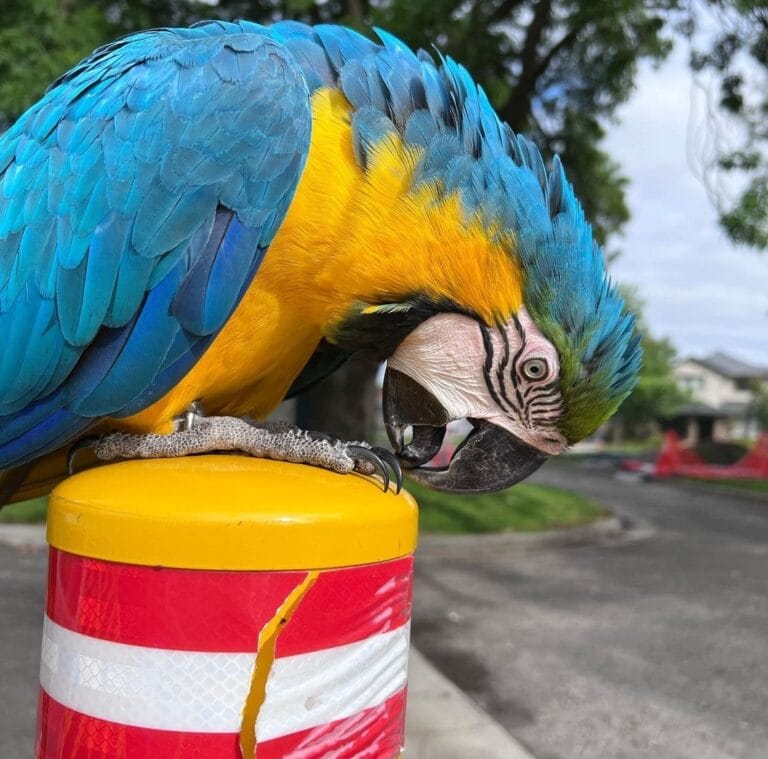 The first obstacle was to get enough birds to trade. The macaws are monogamous therefore the pairs had to be well-matched.
Range
A South African couple has taken on the mission to save the critically endangered Spix's macaw price. This bird was declared extinct by United Nations in 2000 owing to decades of habitat destruction and poaching. They have a small amount of the birds in captivity and hope to release them near Curaca. They call the birds little blue companions, and compare their lives to that of Presley the only known Spix's Macaw found in the wild. They describe him as a true survivor who lost his family and was loyal to his home. They believe that their lives in Caatinga as similar to his and feel a strong affinity with him.
Researchers were able to study the behavior of the Spix's mini macaw for sale wild, and gain a better understanding of the reasons why this species has survived for so long. Researchers were able to determine the historical population of this rare bird more precisely. Researchers were able to collect important details about the bird's daily movement, its seasonal adaptation to drought, and its eating habits. Researchers also observed attempts to reproduce with an Illiger's and a Spix's hybrid hyacinth macaw lifespan couple which was an important step in the recovery of this species.
It was a remarkable feat that this bird managed to endure and thrive in the wild with such an insufficient gene pool and has helped scientists to understand how these birds could be reintroduced back to the wild. The survival of the bird that was killed encouraged people to take action in order to save other parrots as well as threatened species. It also inspired zoos and other organizations to set up their own captive breeding programs for these exotic birds.
This working group is an illustration of how conservation groups as well as other organizations and individuals can collaborate in order to conserve endangered wildlife and animals. It brings Brazilian officials from government Zoo representatives, international holders of this unique bird and ornithologists with a common goal - the reintroduction of the Spix's Macaw.
The group has already completed a great deal of work. This includes preparing a plan to reintroduce the bird back to the wild. The group has also been working to raise funds to fund field research as well as community outreach and captive-breeding birds to support the reintroduction plan. They have also formed a permanent committee to save the bird.
Habitat
Endangered by poaching and habitat destruction, the Spix's macaw (Cyanopsitta spixii) was thought to be extinct in the wild 10 years ago. Today, aviculturists and ornithologists continue to tirelessly work to bring this iconic bird back from the edge of extinction.
A popular animated movie and two sequels have made the Spix's macaw recognizable to millions of people across the globe however this is only the beginning in the long road to save these birds from the edge. A team of international experts has worked for decades to breed and reintroduce Spix's Macaws raised in captivity back into the wild.
The Spix's miniature macaw for sale is an indigenous species found in a tiny region of northeast Brazil known as the Caatinga. This arid region is characterized by flat savannah scrubland, interspersed with galleries and streams that flow through the season. The first time it was described was in 1819 and is one of the lesser-known Neotropical parrots, with only occasional sightings in the wild, a few captive birds and some museum specimens.
To save the declining population An international committee was formed which brought together aviculturists who held the last remaining birds and government officials. This group formed a collaboration with the world-renowned non-profit organization Al Wabra Wildlife Preservation of Qatar to establish an initiative to restore the population of Spix's Macaws back to their natural environment.
AWWP has acquired and is recovering 2,380 hectares of prime habitat in the Caatinga area, close to Curaca, Brazil. AWWP is also raising and breeding birds to be released into the wild, providing the genetically pure source of the animals for future generations.
Spix's Macaws can be found in trees, and rarely seen on the ground. They typically nest in hollows or holes in trees and hunt for fruits seeds, nuts, seeds and other plants. They typically spend up to a third of the day in the nest.
A local community was recruited as part of the field team to help track Spix's Macaws. The members of the community were provided watches that could be activated if the Spix's macaw was observed, allowing them to keep an eye on the birds and their daily movements in the wild. This approach has proven very successful.
Diet
The Spix's Chestnut Fronted Macaw price is the only species of the Genus Cyanopsitta. It was listed as extinct in the wild in 2019 by the International Union for the Conservation of Nature after the last known wild parrot disappeared in the year 2000. subsequent surveys did not find any additional birds. However, a reintroduction program currently underway is trying to restore the critically endangered bird to its natural home in the Caatinga.
This dry forest is located in the region of northeast Brazil which covers around 10 percent of the country. Spix's Macaws nestled in the hollows of old caraibeiras and were known to eat seeds and nuts.
Reintroduction of the Spix’s Macaw into the wild is in progress. Eight birds that were raised in captivity were released into the wild in June and 12 more are expected to follow in 2022. They will be joined by Blue-winged Macaws that have been reintroduced to the same area, and will help to share knowledge about food sources, nesting and roosting areas.
The reintroduction program has collected vital biological data about the behavior of this rare bird, including details on daily movements patterns as well as the seasonal changes to drought. It also opened a window on the natural history of the Macaws of Spix, which aids in understanding the causes that led to their disappearance.
Spix's Macaws consume the seeds, nuts, and fruits of a variety of plants native to the Caatinga Biome. Pinhao-bravo, linhas Brasil and facheiro (Pilosocereus Pachycladus) are all included in this diet. The acai palm (Acaia olive) and mofumbo (Combretum léprosum) fruits are also edible.
Like all parrots, Spix's Macaws are highly social birds, and they have a close bond with their parents. They are vocal and often mimic human speech and other sounds. They make a mating call known as the "whichaka," which is described as a brief repeated grating sound that is similar to a flute note. When they are in breeding mode, they are known to fly fast and high.
Breeding
Spix's macaws are incredibly intelligent and social birds. They communicate through screeching, squawking and other sounds. Like many parrots, they can mimic human speech. They also have a strict daily routine, from the flight path to bathing habits and are able to recognize the members of their flock. They are very popular as pets, and are frequently targeted by illegal bird trade because of this.
In the early 1980s, only three Spix's macaws were left in the wild. They were all poached. A plan to pair the last male and female was defeated in 1995, when poachers killed both birds. Since the time, all Spix's macaws known have been captive-bred – mostly in Brazil.
The handful of Spix's macaws in captivity are a mix of individuals who are the descendants of just two individuals, which makes them vulnerable to disease and other environmental threats. The majority of Spix's macaws captivity are kept in a breeding center in Germany. However this year, an agreement between the German conservation center and the Brazilian government expired and the possibility of repatriation or reintroduction into the wild in doubt.
Despite their precarious number of captive-bred Spix's macaws, captive-bred species show some signs of improvement. This was evident when the Swiss breeder beat the sheikh of Qatar to purchase three Spix's Macaws for the collector.
In part, due to this and other efforts the captive-bred bird population is beginning to increase, though not at a speedy pace. Maintaining their health and generating is crucial to reintroduce the birds back into the wild. The selection of the right birds for release is also critical. The macaws need to be in a reproductive stage and be paired with a sibling or a close relatives.
The return of the Spix's Macaw to the wild could be difficult, but it is essential to try. To help, ABC and partners have started a reserve system that aims to protect the species' last remaining habitats. The eight Spix's macaws will soon be joined by blue-winged macaws which are more prevalent in the Caatinga and share areas with Spix's macaws. These birds will help macaws adapt to their new surroundings and will also provide safety by the sheer numbers.
After a long period of anxiety and speculation, Brazilian and German conservationists have succeeded in reintroducing couple couples back into their natural habitat. Their story is inspirational but also rife with backbiting and jealousies.
The first obstacle was to get enough birds to trade. The macaws are monogamous therefore the pairs had to be well-matched.Range
A South African couple has taken on the mission to save the critically endangered Spix's macaw price. This bird was declared extinct by United Nations in 2000 owing to decades of habitat destruction and poaching. They have a small amount of the birds in captivity and hope to release them near Curaca. They call the birds little blue companions, and compare their lives to that of Presley the only known Spix's Macaw found in the wild. They describe him as a true survivor who lost his family and was loyal to his home. They believe that their lives in Caatinga as similar to his and feel a strong affinity with him.
Researchers were able to study the behavior of the Spix's mini macaw for sale wild, and gain a better understanding of the reasons why this species has survived for so long. Researchers were able to determine the historical population of this rare bird more precisely. Researchers were able to collect important details about the bird's daily movement, its seasonal adaptation to drought, and its eating habits. Researchers also observed attempts to reproduce with an Illiger's and a Spix's hybrid hyacinth macaw lifespan couple which was an important step in the recovery of this species.
It was a remarkable feat that this bird managed to endure and thrive in the wild with such an insufficient gene pool and has helped scientists to understand how these birds could be reintroduced back to the wild. The survival of the bird that was killed encouraged people to take action in order to save other parrots as well as threatened species. It also inspired zoos and other organizations to set up their own captive breeding programs for these exotic birds.
This working group is an illustration of how conservation groups as well as other organizations and individuals can collaborate in order to conserve endangered wildlife and animals. It brings Brazilian officials from government Zoo representatives, international holders of this unique bird and ornithologists with a common goal - the reintroduction of the Spix's Macaw.
The group has already completed a great deal of work. This includes preparing a plan to reintroduce the bird back to the wild. The group has also been working to raise funds to fund field research as well as community outreach and captive-breeding birds to support the reintroduction plan. They have also formed a permanent committee to save the bird.
Habitat
Endangered by poaching and habitat destruction, the Spix's macaw (Cyanopsitta spixii) was thought to be extinct in the wild 10 years ago. Today, aviculturists and ornithologists continue to tirelessly work to bring this iconic bird back from the edge of extinction.
A popular animated movie and two sequels have made the Spix's macaw recognizable to millions of people across the globe however this is only the beginning in the long road to save these birds from the edge. A team of international experts has worked for decades to breed and reintroduce Spix's Macaws raised in captivity back into the wild.
The Spix's miniature macaw for sale is an indigenous species found in a tiny region of northeast Brazil known as the Caatinga. This arid region is characterized by flat savannah scrubland, interspersed with galleries and streams that flow through the season. The first time it was described was in 1819 and is one of the lesser-known Neotropical parrots, with only occasional sightings in the wild, a few captive birds and some museum specimens.
To save the declining population An international committee was formed which brought together aviculturists who held the last remaining birds and government officials. This group formed a collaboration with the world-renowned non-profit organization Al Wabra Wildlife Preservation of Qatar to establish an initiative to restore the population of Spix's Macaws back to their natural environment.
AWWP has acquired and is recovering 2,380 hectares of prime habitat in the Caatinga area, close to Curaca, Brazil. AWWP is also raising and breeding birds to be released into the wild, providing the genetically pure source of the animals for future generations.
Spix's Macaws can be found in trees, and rarely seen on the ground. They typically nest in hollows or holes in trees and hunt for fruits seeds, nuts, seeds and other plants. They typically spend up to a third of the day in the nest.
A local community was recruited as part of the field team to help track Spix's Macaws. The members of the community were provided watches that could be activated if the Spix's macaw was observed, allowing them to keep an eye on the birds and their daily movements in the wild. This approach has proven very successful.
Diet
The Spix's Chestnut Fronted Macaw price is the only species of the Genus Cyanopsitta. It was listed as extinct in the wild in 2019 by the International Union for the Conservation of Nature after the last known wild parrot disappeared in the year 2000. subsequent surveys did not find any additional birds. However, a reintroduction program currently underway is trying to restore the critically endangered bird to its natural home in the Caatinga.
This dry forest is located in the region of northeast Brazil which covers around 10 percent of the country. Spix's Macaws nestled in the hollows of old caraibeiras and were known to eat seeds and nuts.
Reintroduction of the Spix’s Macaw into the wild is in progress. Eight birds that were raised in captivity were released into the wild in June and 12 more are expected to follow in 2022. They will be joined by Blue-winged Macaws that have been reintroduced to the same area, and will help to share knowledge about food sources, nesting and roosting areas.
The reintroduction program has collected vital biological data about the behavior of this rare bird, including details on daily movements patterns as well as the seasonal changes to drought. It also opened a window on the natural history of the Macaws of Spix, which aids in understanding the causes that led to their disappearance.
Spix's Macaws consume the seeds, nuts, and fruits of a variety of plants native to the Caatinga Biome. Pinhao-bravo, linhas Brasil and facheiro (Pilosocereus Pachycladus) are all included in this diet. The acai palm (Acaia olive) and mofumbo (Combretum léprosum) fruits are also edible.
Like all parrots, Spix's Macaws are highly social birds, and they have a close bond with their parents. They are vocal and often mimic human speech and other sounds. They make a mating call known as the "whichaka," which is described as a brief repeated grating sound that is similar to a flute note. When they are in breeding mode, they are known to fly fast and high.
Breeding
Spix's macaws are incredibly intelligent and social birds. They communicate through screeching, squawking and other sounds. Like many parrots, they can mimic human speech. They also have a strict daily routine, from the flight path to bathing habits and are able to recognize the members of their flock. They are very popular as pets, and are frequently targeted by illegal bird trade because of this.
In the early 1980s, only three Spix's macaws were left in the wild. They were all poached. A plan to pair the last male and female was defeated in 1995, when poachers killed both birds. Since the time, all Spix's macaws known have been captive-bred – mostly in Brazil.
The handful of Spix's macaws in captivity are a mix of individuals who are the descendants of just two individuals, which makes them vulnerable to disease and other environmental threats. The majority of Spix's macaws captivity are kept in a breeding center in Germany. However this year, an agreement between the German conservation center and the Brazilian government expired and the possibility of repatriation or reintroduction into the wild in doubt.
Despite their precarious number of captive-bred Spix's macaws, captive-bred species show some signs of improvement. This was evident when the Swiss breeder beat the sheikh of Qatar to purchase three Spix's Macaws for the collector.
In part, due to this and other efforts the captive-bred bird population is beginning to increase, though not at a speedy pace. Maintaining their health and generating is crucial to reintroduce the birds back into the wild. The selection of the right birds for release is also critical. The macaws need to be in a reproductive stage and be paired with a sibling or a close relatives.
The return of the Spix's Macaw to the wild could be difficult, but it is essential to try. To help, ABC and partners have started a reserve system that aims to protect the species' last remaining habitats. The eight Spix's macaws will soon be joined by blue-winged macaws which are more prevalent in the Caatinga and share areas with Spix's macaws. These birds will help macaws adapt to their new surroundings and will also provide safety by the sheer numbers.
- 이전글The Most Underrated Companies To Monitor In The Buy Driving License Category A Online Industry 25.04.17
- 다음글9 . What Your Parents Teach You About Multistore Containers 25.04.17
댓글목록
등록된 댓글이 없습니다.